Step-by-Step Guide to Standard Guitar Tuning
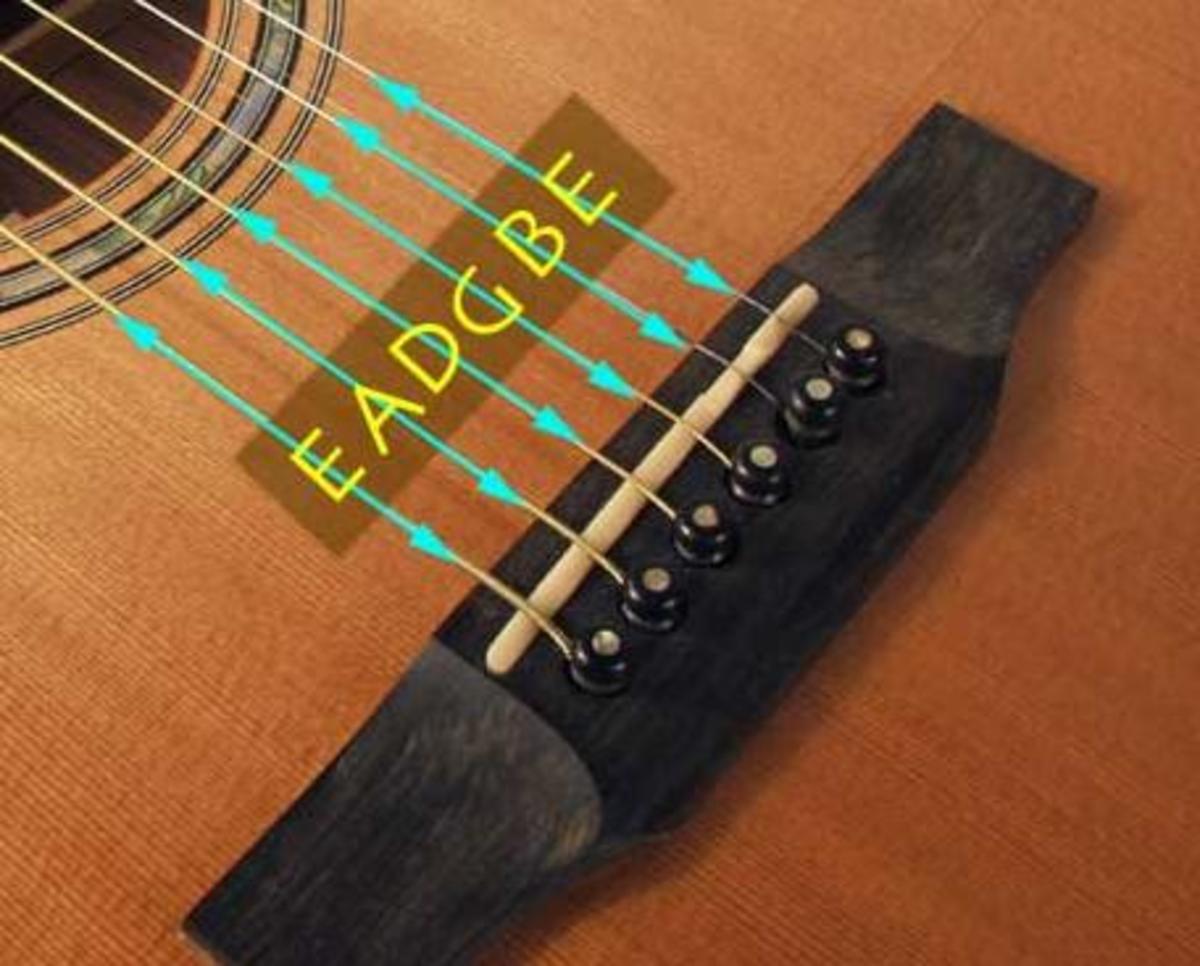
Standard tuning (EADGBE) is the most widely used tuning for guitars. It consists of tuning each string to a specific pitch, starting with the low E string (the thickest) and progressing to the high E string (the thinnest). Each string is tuned to the corresponding note: E, A, D, G, B, and E. Understanding how to tune each string correctly is essential for every guitarist, as it forms the foundation for all guitar playing. By tuning the strings to standard pitch, you’ll ensure that the notes you play sound in harmony with other instruments.
To tune your guitar to standard tuning, begin with the low E string and use a reference pitch to tune it to the correct note. Once the E string is tuned, you can tune the A string by using the 5th fret of the E string as a reference. Repeat this process for the other strings: D, G, B, and high E. As you tune each string, you’ll be building muscle memory and improving your ear for pitch. Once your guitar is in tune, you’ll be able to play chords and melodies that sound accurate and pleasing.